Why Small Businesses Lose Customers After Hours
Posted on:
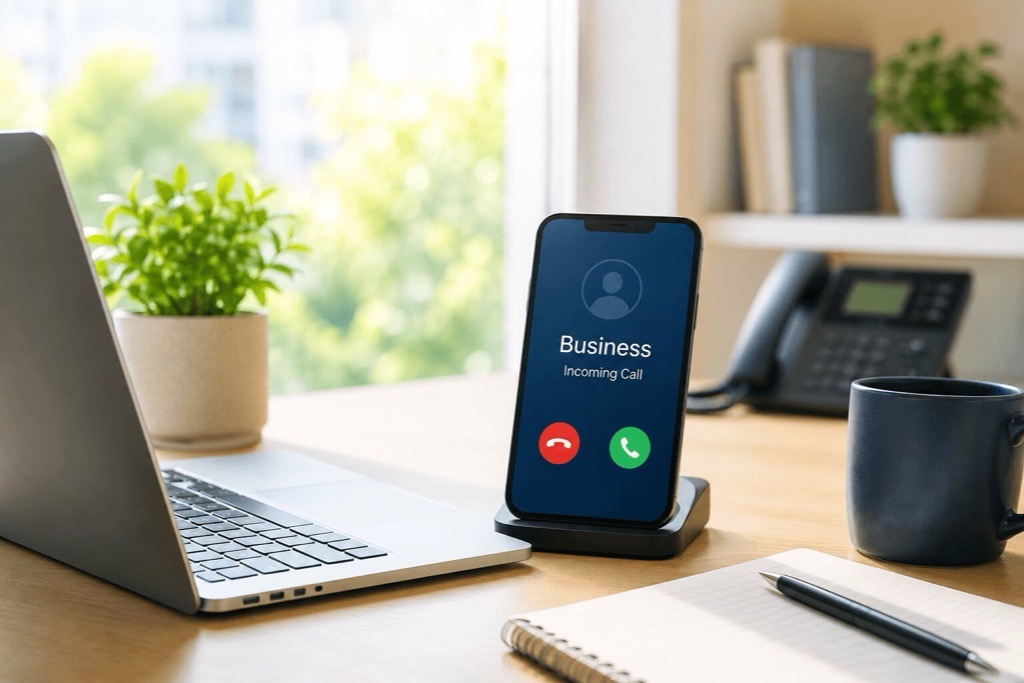
Many small businesses work hard to bring in new customers. They improve their website, run ads, post on social media, and invest time into generating leads.
But one important question is often overlooked:
What happens when a customer calls after business hours?
For many businesses, the answer is simple: nobody answers. That missed call may become a missed customer.
After-Hours Calls Are Often High-Intent
Customers do not always call during normal office hours. Many people search for services after work, during evenings, on weekends, or while comparing multiple providers.
When a customer calls after hours, they are often ready to ask a question, request pricing, book a service, or speak with someone quickly. If the call goes unanswered, they may simply contact the next business.
This is why after-hours call handling is not just a convenience. It can directly affect how many leads turn into customers.
Why Basic Phone Setups Fail After Hours
A single phone, one employee, or a basic voicemail box may work in the beginning. As a business grows, that setup becomes harder to manage.
Common problems include:
- Calls ring with no backup destination
- Voicemails are missed or checked too late
- Customers do not know when to expect a response
- Business calls get mixed with personal calls
- There is no clear record of missed opportunities
The issue is not always a lack of leads. Sometimes the business is already getting calls but does not have the right system to handle them.
What Customers Expect Today
Customers expect businesses to be reachable, organized, and responsive. Even if your team is not available 24/7, the caller should still experience a professional call flow.
A better after-hours setup can include:
- A professional greeting
- Business hours routing
- Voicemail to email
- Call forwarding to an alternate phone
- Different routing rules for evenings or weekends
This creates a more reliable customer experience and helps your business avoid losing calls silently.
How a Cloud Phone System Helps
A cloud phone system gives businesses more control over when and where calls are answered. Instead of relying on one device or one person, calls can follow rules based on time, availability, or business needs.
For example, after-hours calls can be routed to voicemail, sent to an emergency contact, forwarded to a mobile phone, or handled by an IVR menu.
This kind of setup helps small businesses stay professional without needing a full-time receptionist or a physical office.
Useful Features for After-Hours Call Handling
When choosing a business phone system, look for features that help reduce missed calls and improve response time.
Useful features include:
- Time-based routing: Send calls to different destinations during business hours, evenings, or weekends.
- Voicemail to email: Receive voicemail messages directly in your inbox for faster follow-up.
- Ring groups: Let multiple people receive the same call so it is less likely to be missed.
- IVR menus: Give callers clear options, such as sales, support, or urgent requests.
- Call forwarding: Route calls to mobile phones, landlines, SIP devices, or apps.
These tools help businesses stay organized while giving customers a more professional experience.
A Smarter Way to Stay Reachable
After-hours communication does not mean you need to answer every call personally. It means your business should have a plan for what happens when someone calls outside normal hours.
With a virtual phone number and cloud PBX, your business can set routing rules, forward calls, receive voicemail by email, and manage calls from anywhere.
It is a simple way to reduce missed opportunities while keeping your communication professional and flexible.
Final Thoughts
Many businesses think they need more leads. In reality, some are already receiving valuable calls but losing them after hours.
Improving your after-hours call handling can help you capture more opportunities, respond faster, and create a better customer experience.
A stronger phone system does not just help you answer calls. It helps your business stay available, organized, and ready for growth.