Many small business owners start out using their personal phone number for business calls. At first, it seems simple, free, and efficient.
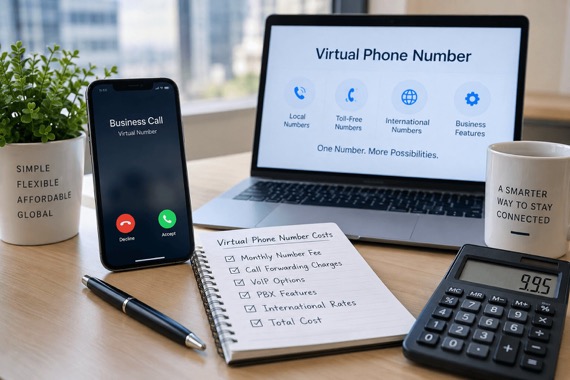
If you are looking to get a virtual phone number for your business, you might expect a quick and simple setup. In many cases, it is. However, in some countries, you may be asked to provide documentation before your number is activated.
When businesses search for a virtual phone system, they often come across the same major providers first. Big-brand platforms are widely known, heavily advertised, and often positioned as the default choice for small businesses.
When businesses think about improving customer communication, they often focus on websites, email, live chat, or advertising. But many overlook something surprisingly important: the phone number itself.
Running a business today requires clear, reliable communication with customers, partners, and employees. While email and messaging tools are important, phone calls remain one of the fastest and most trusted ways to communicate.
Modern business communication has moved far beyond the traditional desk phone. In today’s digital-first economy, your business phone system is no longer just a way to make calls — it’s a powerful tool to automate workflows, build local trust, and present a professional image from anywhere in the world.
In the modern business landscape, your phone number is more than just a way to talk—it’s a powerful marketing tool that shapes a customer’s first impression of your brand. But as businesses move toward remote work and global expansion, a common question arises: Should I use a local area code or a toll-free number?
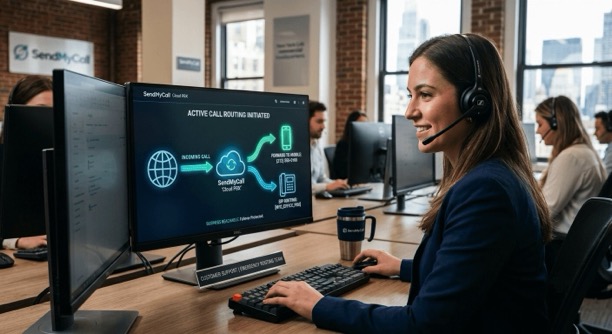
How can a startup expand internationally in 24 hours? You can launch a global business presence in one day by using a Cloud PBX to secure local DID numbers, setting up a customized Call Flow, and utilizing a Softphone App to connect your team.